Brooklyn & abroad Open Calls Support CPR
← The Nomadic

The Nomadic · Edition 10

2026: (Self)Organization in North Africa

DatesMay 3–26, 2026
WhereAlgeria · Morocco · Tunisia
Cohort8 curators
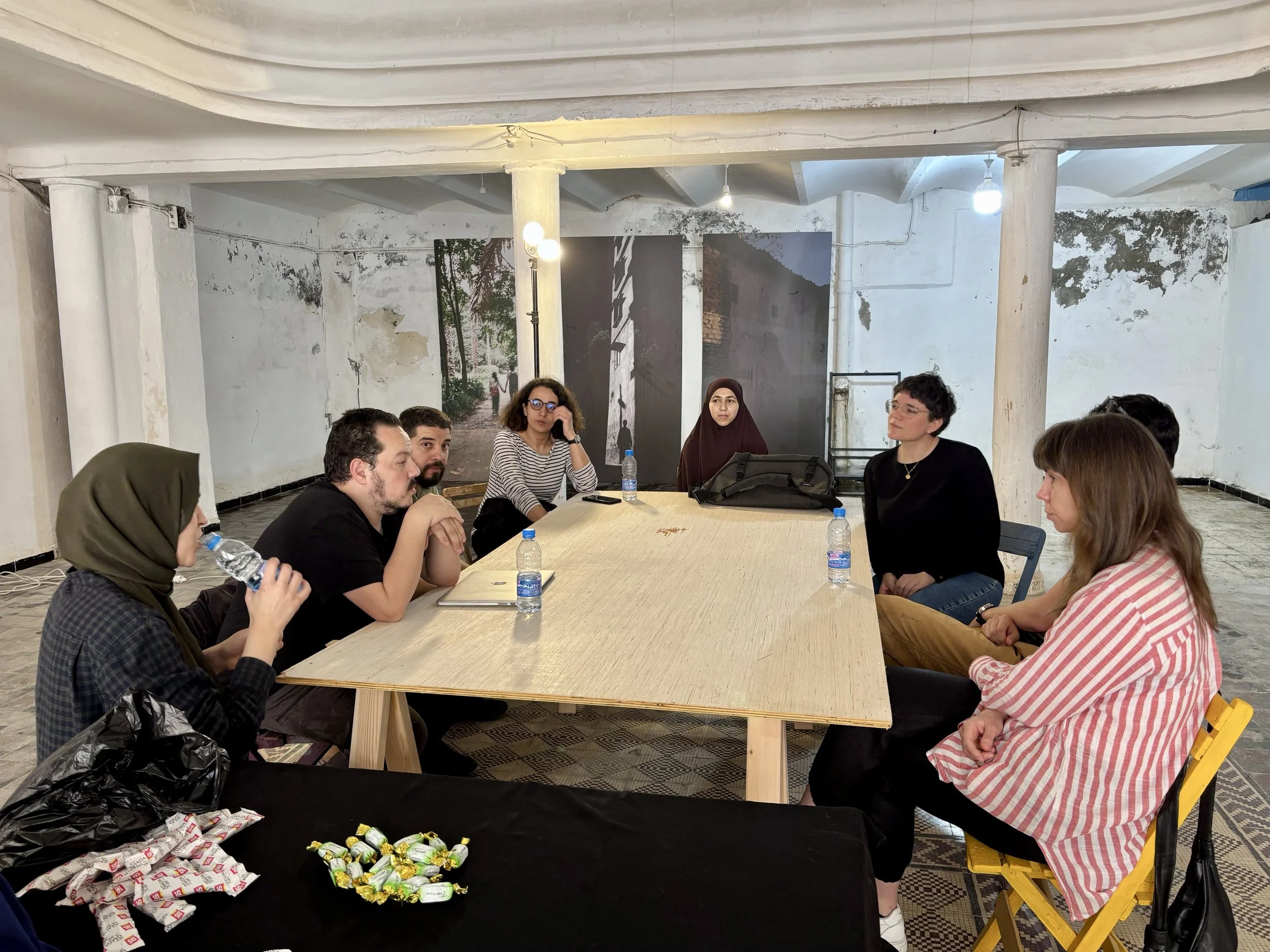
2026: (Self)Organization in North Africa — group photograph
2026: (Self)Organization in North Africa — Algeria · Morocco · Tunisia.

The edition

What this one was about.

The theme of CPR's inaugural program in North Africa is how arts ecologies (self)organize differently across the region, and what institutional forms let artists, curators, and others work in culture. The cohort is invited to think structurally and historically about how dynamic, experimental, and critically engaged artistic practices in Algeria, Tunisia, and Morocco are nurtured and sustained. Curators will be hosted by local arts organizations for artist-run workshops, contextual screenings, guided walking tours, and institutional visits.

Initiated by Algiers-based independent curator Myriam Amroun and Stockholm-based curator Natasha Marie Llorens — both CPR alumnae — in close collaboration with the Curatorial Program for Research, the 2026 edition explores possible connections between art scenes on a South–South axis, asking how people work together in each context.

The open call and programming are organized by CPR Founding Director Carmen Ferreyra and CPR Europe Director Susanne Ewerlöf, with Myriam Amroun and Natasha Marie Llorens, alongside key local specialists Nour Amrani (Mouhit Space), Leila Sahli (Le18 Marrakech), and Abdo Shanan (Crossroads). Through these local collaborators, and readings on regional socio-political history, curators will visit artist studios and institutions across the three countries, connecting with peers in an immersive introduction to artistic practice, production, and dissemination in each host location. The open call ran December 8, 2025 – January 20, 2026.

The program covers international flights, local transportation, accommodation, and some meals for all participants, and is realized with generous support from the Swedish Institute, building on ten years of CPR's international collaboration and network-building.

On Collaboration

The basis of our organization is strong partnerships. CPR grows organically through a continuously expanding network of art practitioners, which results in an organization that keeps on developing its international reach.

Building on our ten years of experience and networking, our 2026 program will continue to work towards international collaboration and representation abroad. This project is realized with generous support from the Swedish Institute.

Sharing Knowledge

In this time of crisis and conflict it is more important than ever to make sure everyone is heard; underrepresented groups, people from the periphery, the non-human and perhaps also echoes from the past. With this in mind we will visit cities and countryside; meet established and emerging artists and actors in adjacent fields. We will discuss if we can bear listening more, listening wider, listening within and even listening to those we don't agree with. This will open a network of discussion that carries the potential to engage the visiting curators with all the experiences they have from their respective places of residence where these issues may have other specific meanings.

We hope to access this through the work of the artists we meet and the research we do collectively on site in each locality. Our local hosts, being experts on these matters, will share literature with the curators to provide further context. Discussions will be encouraged during formal and informal sessions throughout the program and the participants will be expected to provide knowledge based on their own experiences and expertise as well.

The morning sessions will consist of lectures with scholars, community members and other people while afternoons will typically include visits to artists and art institutions, ideally with certain topics steering the conversation during one whole day, while others are continuous threads that will reoccur as the program progresses.

Participating curators are not expected to have a previous understanding of the local history of the sites we visit, but they are selected based on their interest in the culture of this region, including problematic aspects of the history of the North Africa countries and the political issues that are affecting people in this geography today.
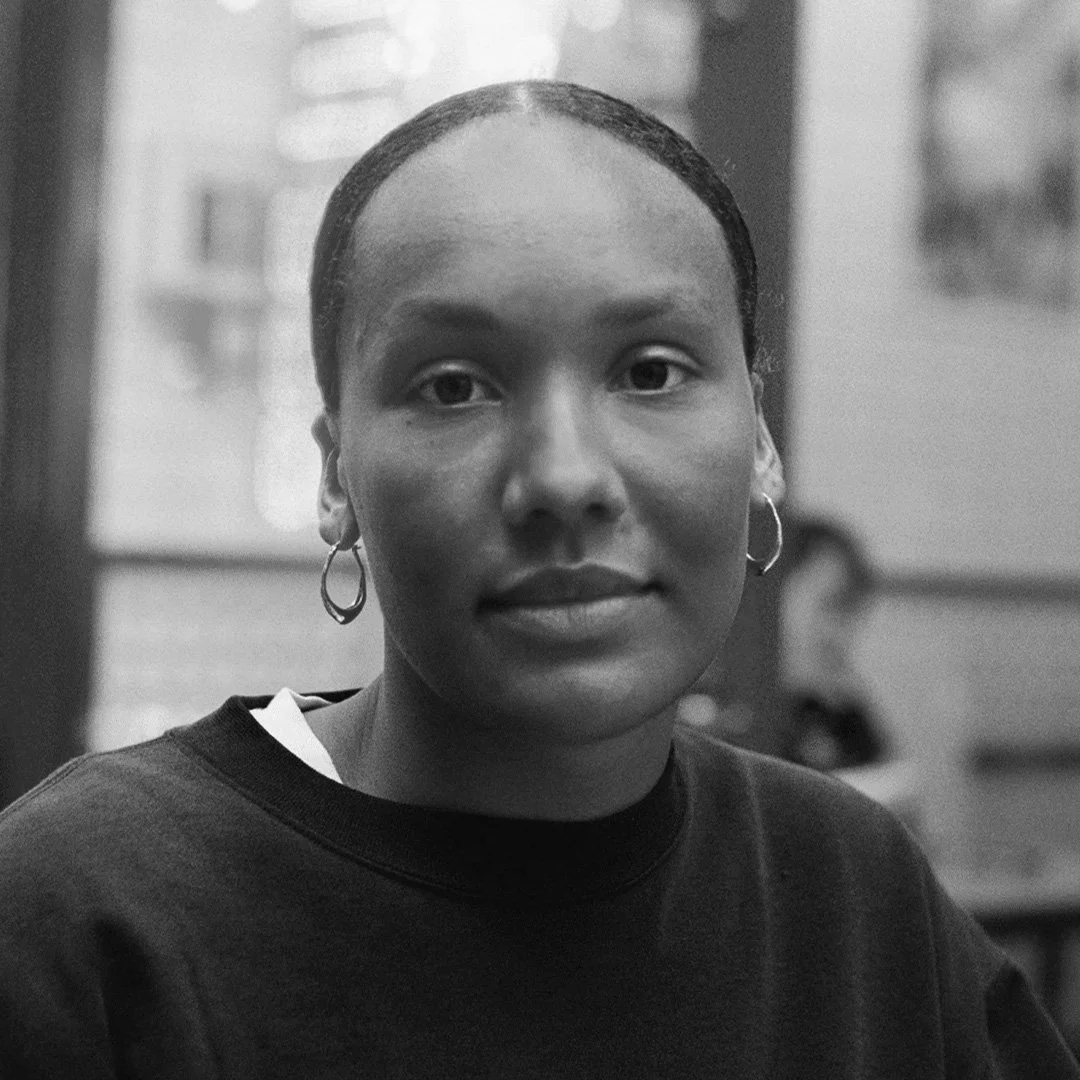
The cohort

8 curators.

Abiba Coulibaly

Abiba Coulibaly

Film curator

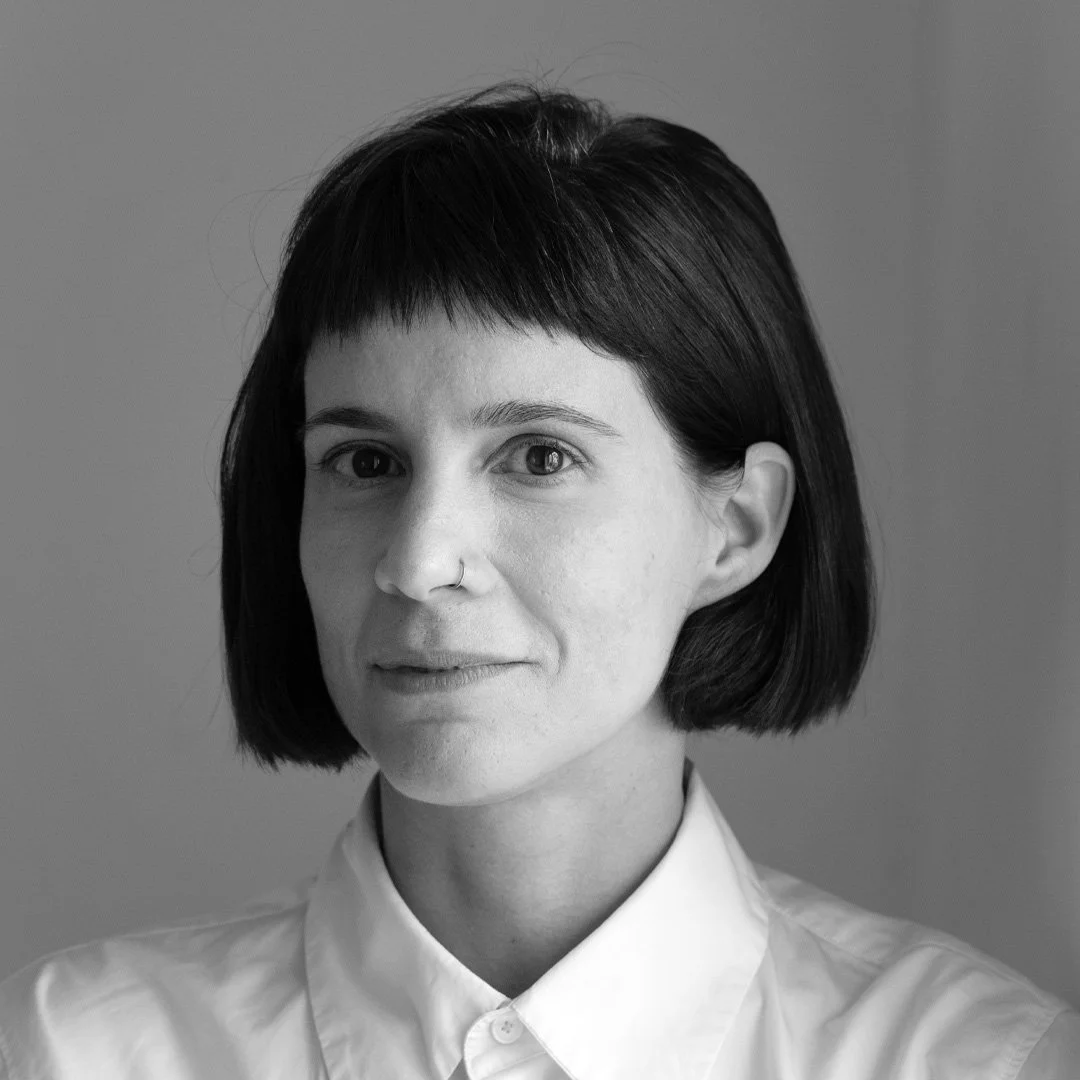
Abiba Coulibaly is a film curator with a background in critical geography, working at the intersection of ethics, aesthetics, and spatial justice. Coulibaly participated in the Curatorial Program for Research in 2026 as part of a curatorial practice concerned with cinema as a civic and spatial infrastructure. Her work expands film curation into a social and architectural register, treating cinema as a distributed public space shaped by questions of access, equity, and collective attention. She is the founder of Brixton Community Cinema and Atlas Cinema, long-term initiatives that reframe exhibition-making as a form of civic engagement. Coulibaly has developed projects at the intersection of moving image and urban space, including the London Festival of Architecture’s People at the Centre of Brixton commission, and has taught at the School of Architecture, Royal College of Art. Her fellowships include TBA21–Academy’s Ocean Fellowship (2021), LUX Moving Image Curator in Residence (2023), and the Fluxus Curatorial Laureate (2026).

Elia-Rosa Guirous

Elia-Rosa Guirous

Curator & art writer, Paris/Copenhagen

Elia-Rosa Guirous-Amasse is a curator and art writer based between Paris and Copenhagen. Guirous-Amasse participated in the Curatorial Program for Research in 2026 within a practice centered on technocritical inquiry, contemporary writing, and embodied politics. Her work examines how digital infrastructures shape regimes of visibility and control, situating curatorial practice within broader questions of power and interconnection. In 2023, she founded connectedmatter, a collective operating as both platform and proposition that frames interconnection as an aesthetic and political condition. Working across exhibitions, writing, and collaborative formats, she develops curatorial languages attentive to technological mediation and lived experience. Guirous-Amasse holds degrees in philosophy and political science, including an MA from Université Paris 1 Panthéon-Sorbonne and Universidad Complutense de Madrid, as well as an MA in Visual Arts Administration from New York University. She has collaborated with institutions including Performa, Venice Biennale, Jeu de Paume, Nagler Draxler, Simian, Softer, and Haus der Statistik.

Gervais Marsh

Gervais Marsh

Writer, curator & scholar, Kingston, Jamaica

Gervais Marsh is a writer, curator, and scholar from Kingston, Jamaica. Marsh participated in the Curatorial Program for Research in 2026 as part of a practice grounded in relationality, intimacy, and collective knowledge production. Their work engages exhibition-making, public art, and critical writing as interconnected practices for producing affective and political forms of engagement. As Associate Curator at Creative Time, Marsh develops programs in collaboration with artists across media, foregrounding vulnerability, uncertainty, and process over resolution. Their curatorial approach is informed by Black feminist thought, emphasizing citation as a collaborative and situated act. Marsh holds a PhD in Performance Studies from Northwestern University and is an alumna of the Whitney Museum Independent Study Program. Their writing appears in Nka, The Financial Times, Hyperallergic, The Brooklyn Rail, Momus, and ARTS.BLACK. They also teach across Black feminist, Caribbean, queer, and visual culture studies.

Giulia Crisci

Giulia Crisci

Researcher & curator

Giulia Crisci is a researcher and curator working across performance studies, sonic practices, and pedagogical experimentation. Crisci participated in the Curatorial Program for Research in 2026 as part of a curatorial-research practice grounded in oral archives, radio art, and non-hegemonic knowledge systems. Her work investigates how performance and sound operate as modes of knowledge production, with a focus on radio, pedagogy, and oral histories. The South functions in her research both as a geographic and epistemic horizon, shaping methodologies rooted in situated and collective listening practices. She is a founding member of PerLA, a research unit on performance epistemologies at Iuav University of Venice, where she completed a PhD in Art Theory and Performance Studies focused on radio art in the Mediterranean as a decolonial and feminist field of inquiry. Her current projects include Radio Commons, a platform for sonic experimentation shaped by archipelagic thinking, and Limone Lunare, an oral archive of social movements in Sicily. She has collaborated with UNIDEE, Fondazione Pistoletto, Short Theatre, Relais Culture Europe, and roots&routes magazine.

Lydia Amarouche

Lydia Amarouche

Curator & publisher, Marseille

Lydia Amarouche is a curator and publisher based in Marseille. Amarouche participated in the Curatorial Program for Research in 2026 as part of a practice focused on publishing, archival methodologies, and experimental editorial formats. Her work treats publishing as a site of curatorial inquiry, activating archives through books, exhibitions, and collective pedagogical structures. With a background in sociology, anthropology, and history from the École Normale Supérieure, she approaches the book as both material object and social infrastructure. In 2020, she founded Shed Publishing, an independent press dedicated to political critique and experimental publishing, which also hosts public programs of workshops and gatherings. She later co-founded Co-prisme (2023), an initiative developing anti-discrimination training for cultural institutions. Amarouche has taught at Aix-Marseille University, and as a Villa Albertine resident (2024), researched anticolonial book practices in the United States. In 2025, she established a Marseille-based reading room dedicated to anticolonial printed matter.

María Carri

María Carri

Curator, critic & scholar, Buenos Aires

María Carri is a curator, critic, and scholar based in Buenos Aires working with contemporary Latin American and Indigenous art. Carri participated in the Curatorial Program for Research in 2026 as part of a practice grounded in Indigenous epistemologies, institutional critique, and collaborative methodologies. Her work explores curatorial practice as a space for rethinking knowledge production and exhibition formats within Latin American contexts. She curated Silät (Hessel Museum, 2023), the first U.S. presentation and trilingual publication of Thañí, and co-curated Ñande Róga, an exhibition focused on Feliciano Centurión’s archive at ISLAA, New York. She has also served on the curatorial advisory board of Cantando Bajito at the Ford Foundation Gallery (2024). Previously, she held positions at the Museo de Arte Moderno de Buenos Aires and Kunstinstituut Melly, and has received grants and residencies including Pivô Pesquisa (2024). She holds an MA from the Center for Curatorial Studies, Bard College, and is Visiting Professor of Contemporary Art at Universidad Torcuato Di Tella.

Muhammad Amine

Muhammad Amine

Researcher & curator, Egypt

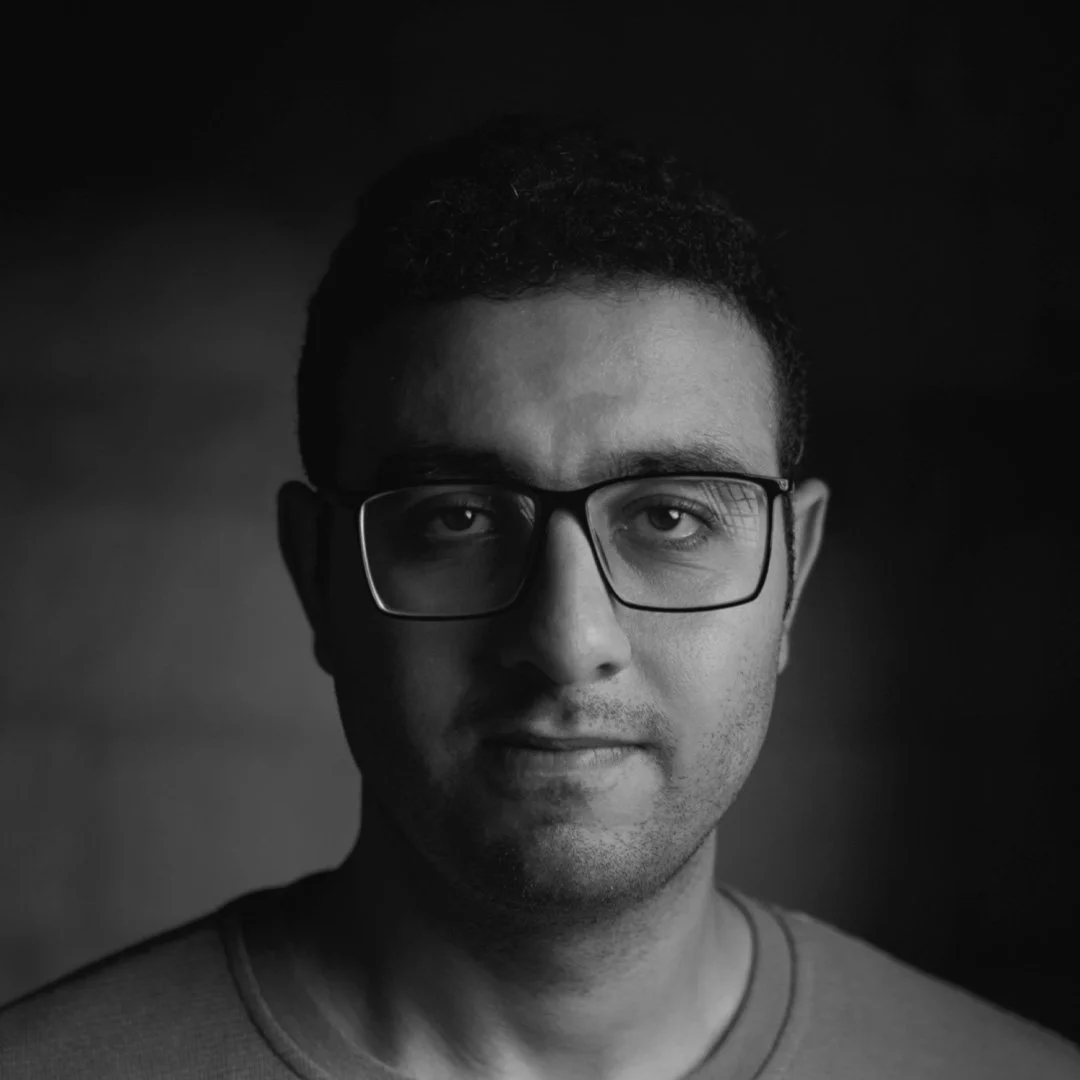
Muhammad Amine is a researcher in visual culture and cinema and a curator based in Egypt. Amine participated in the Curatorial Program for Research in 2026 as part of a practice engaging image culture, urban and sonic histories, and the politics of representation in the Global South. His work develops film programs, public forums, and interdisciplinary educational initiatives that examine the social and economic conditions of image production. Working across institutional and independent contexts, he treats cinema and moving images as sites where political, affective, and material structures intersect, with attention to practices of gathering, solidarity, and intimacy. His curatorial projects include We may construct the world, but we cannot imagine it, which examines development and underdevelopment in cinema; We carry in our worlds that flourish, our worlds that have failed, a tribute to Ousmane Sembene; and Beyond the Borders Forum, which explores cross-medium image practices and conditions of access and exhibition.

Skander Alexander Kateb

Skander Alexander Kateb

Curator & art historian

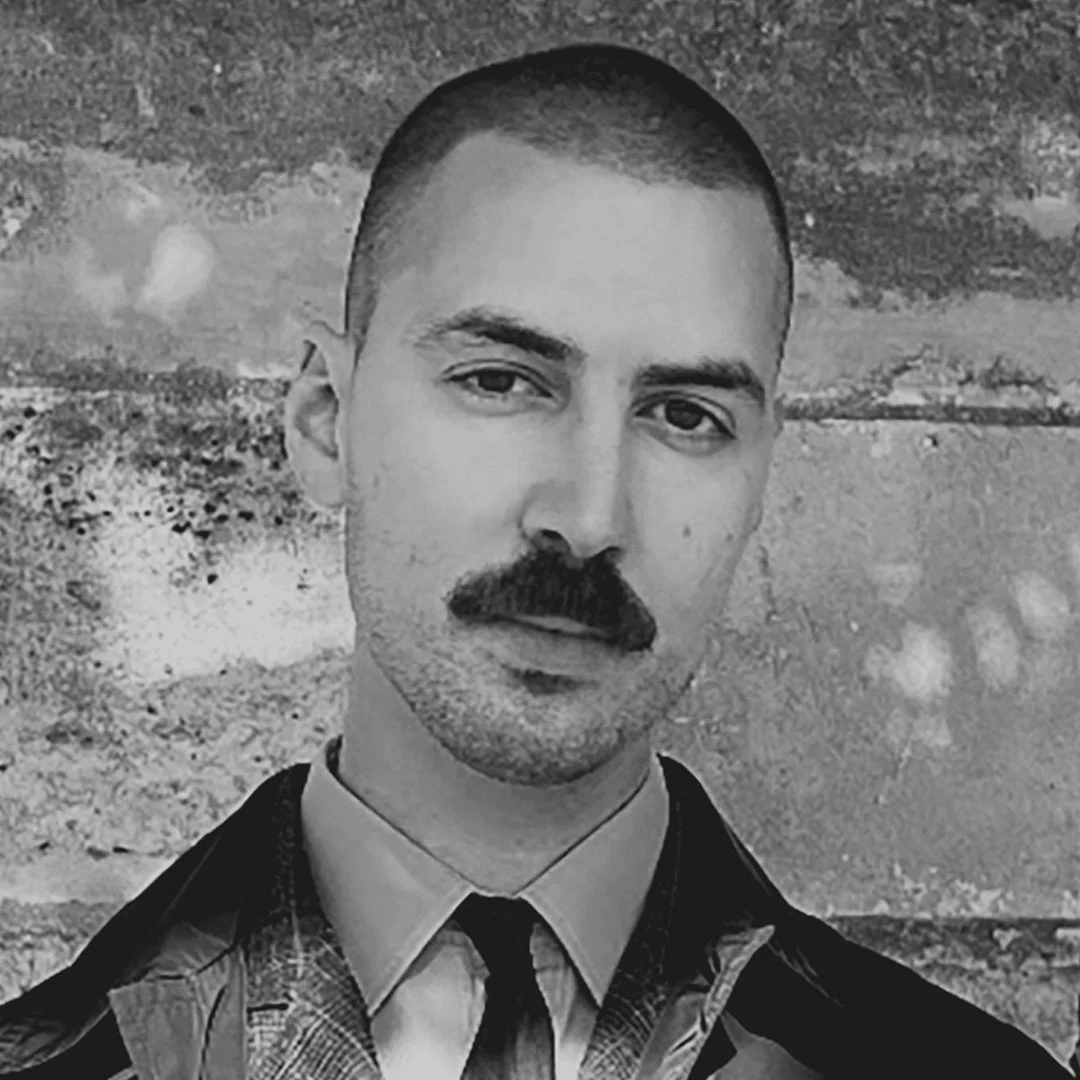
Skander Alexander Kateb is a curator and art historian working across institutional practice, public programming, and pedagogy. Kateb participated in the Curatorial Program for Research in 2026 as part of a practice focused on museum education, audience engagement, and expanded curatorial publics. His work develops transhistorical approaches to collections and exhibition-making, linking art historical research with contemporary institutional discourse. He holds an MA in Aesthetics from Södertörn University and a BA in Art History from Stockholm University, with additional research at the Swedish Institute in Rome and at the Sorbonne University in Islamic art history. Since 2025, he has been Curator of Public Programs at Moderna Museet in Stockholm, following his role as Curator of Learning at Nationalmuseum, where he developed community-oriented and participatory initiatives. He also works with Shako Mako and serves as curatorial advisor to Malmö’s Contemporary Islamic Art project.

Support CPR

Every program we run is free to attend.

CPR's residencies are paid for by public arts agencies, foundations and people who believe access to the art world should not depend on who you already know. If you would like to help keep that true, consider making a gift.