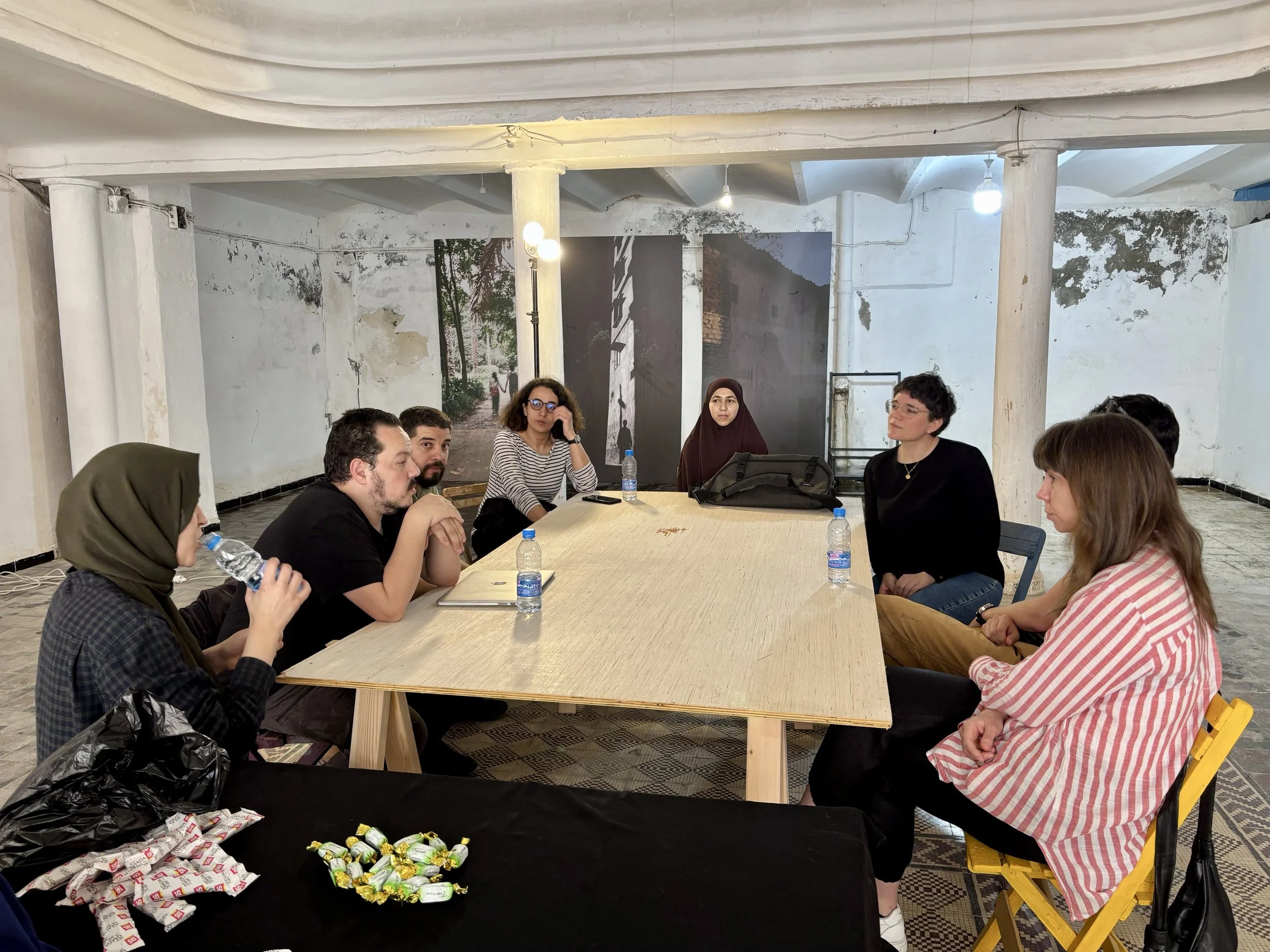
The theme of CPR's inaugural program in North Africa is how arts ecologies (self)organize differently across the region, and what institutional forms let artists, curators, and others work in culture. The cohort is invited to think structurally and historically about how dynamic, experimental, and critically engaged artistic practices in Algeria, Tunisia, and Morocco are nurtured and sustained. Curators will be hosted by local arts organizations for artist-run workshops, contextual screenings, guided walking tours, and institutional visits.
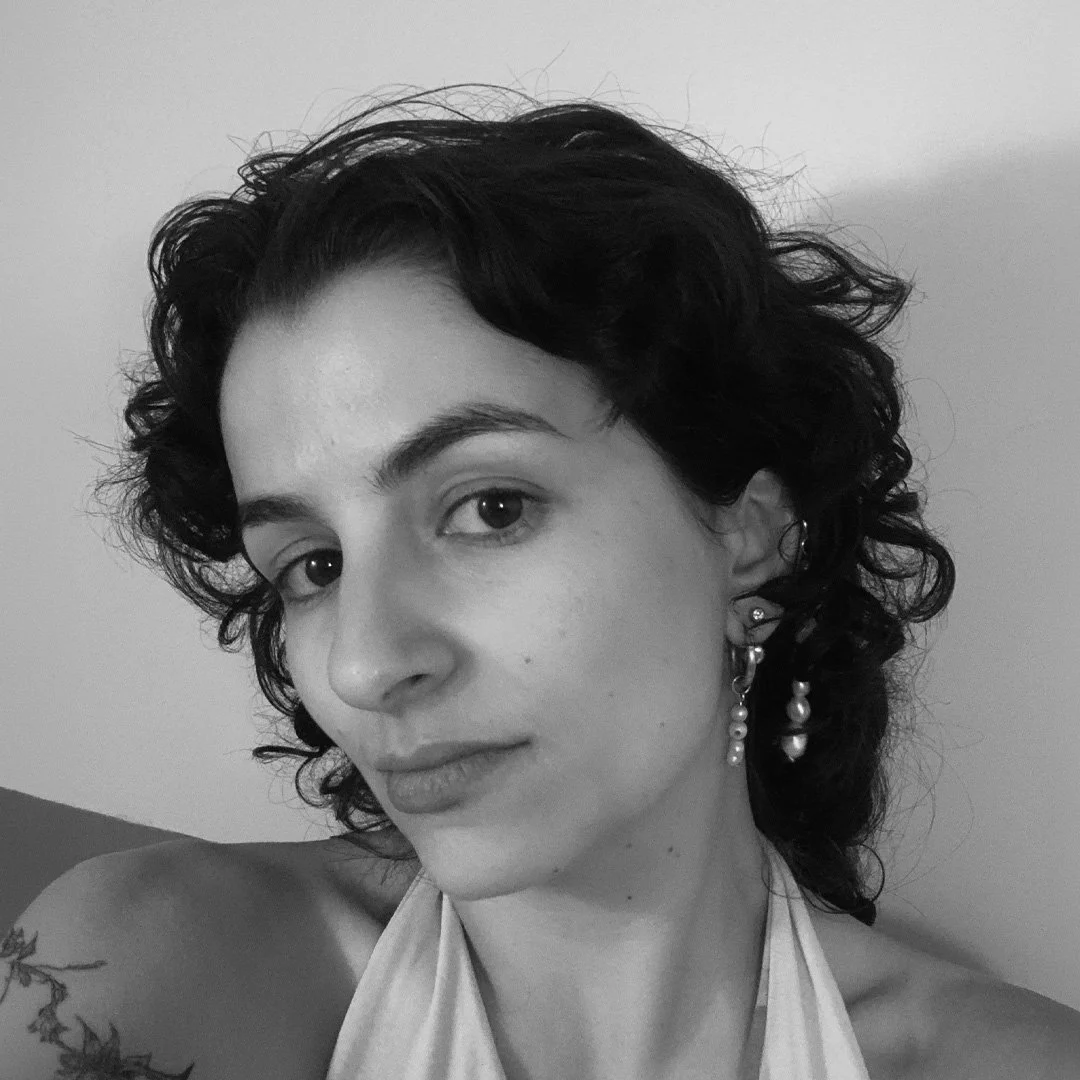
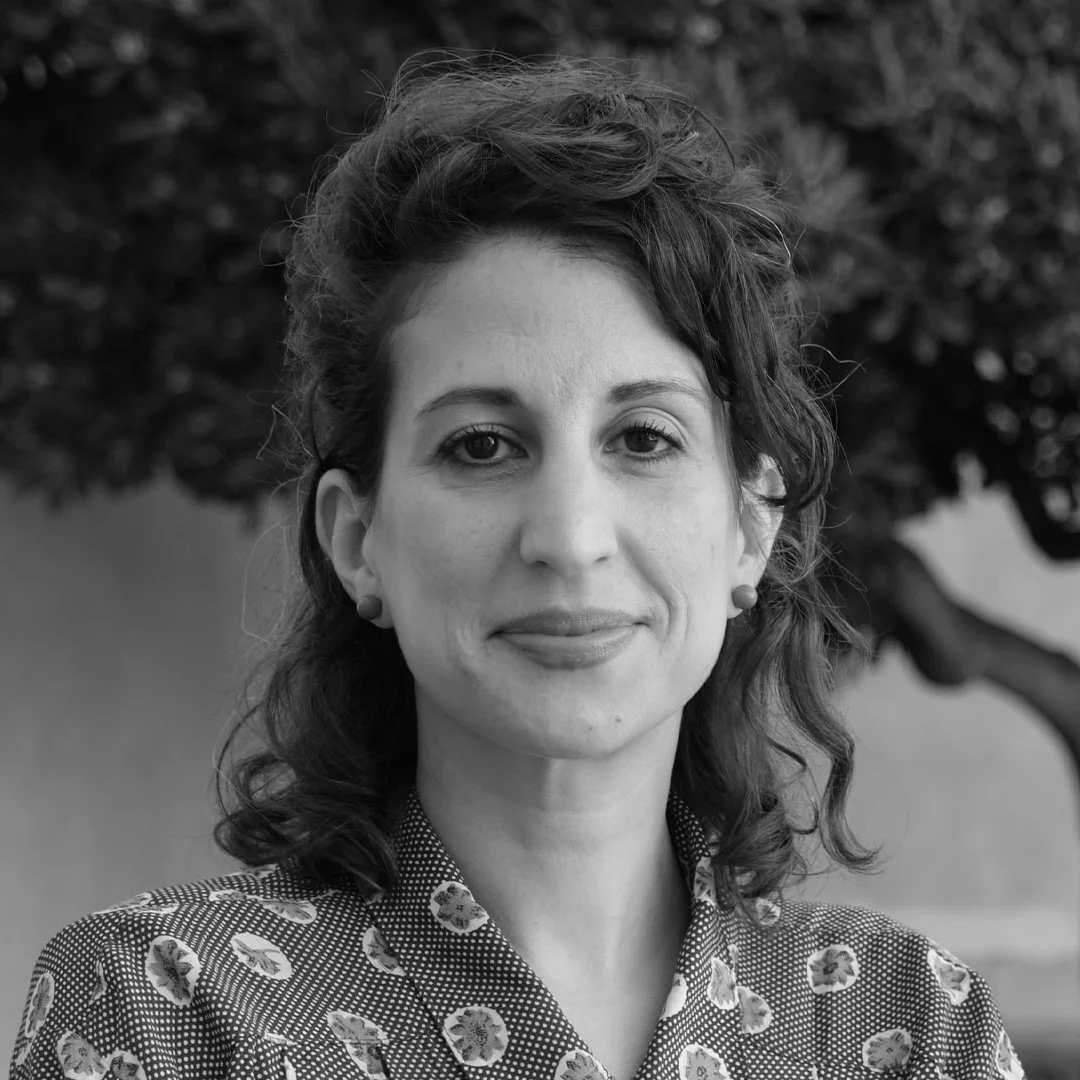
Initiated by Algiers-based independent curator Myriam Amroun and Stockholm-based curator Natasha Marie Llorens — both CPR alumnae — in close collaboration with the Curatorial Program for Research, the 2026 edition explores possible connections between art scenes on a South–South axis, asking how people work together in each context.
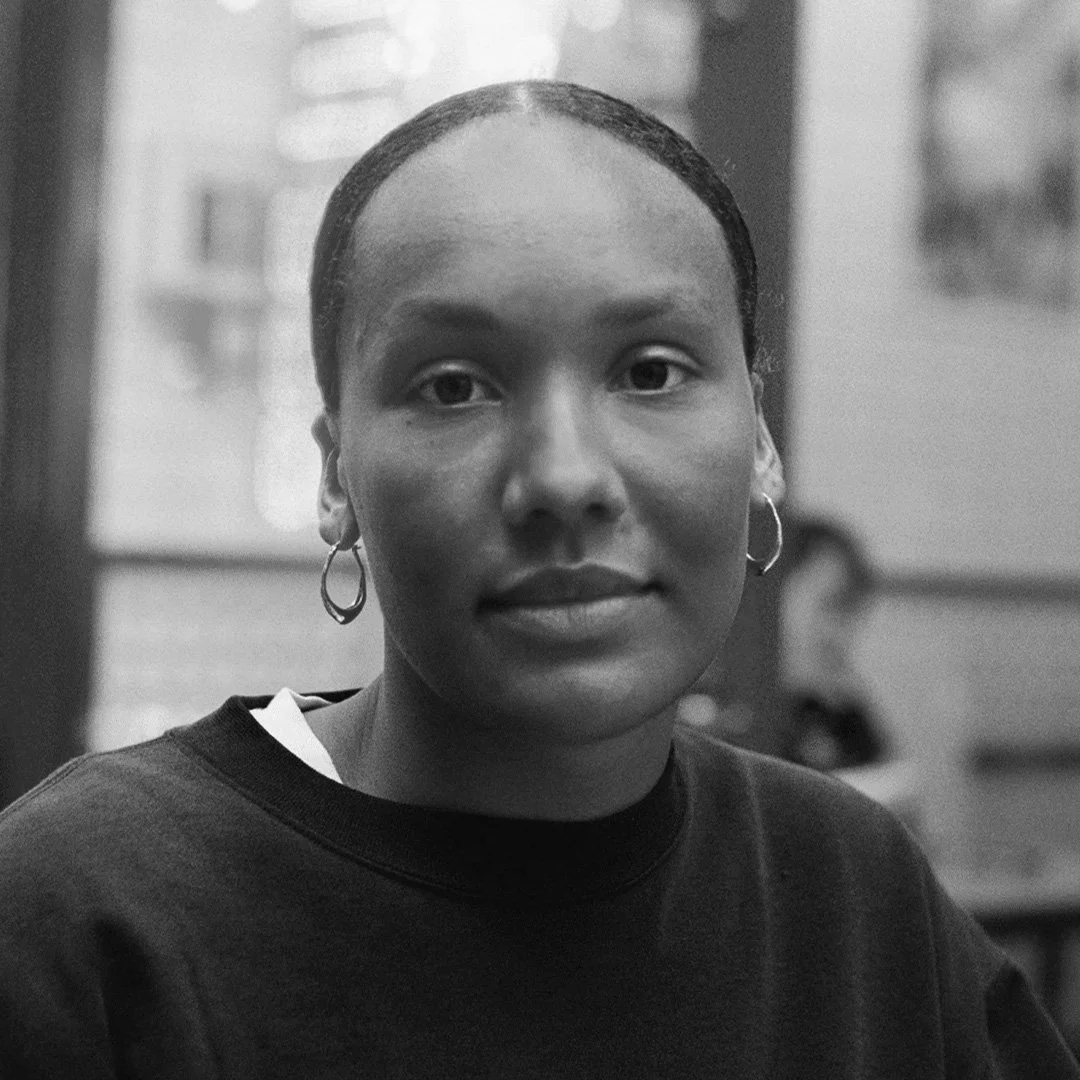
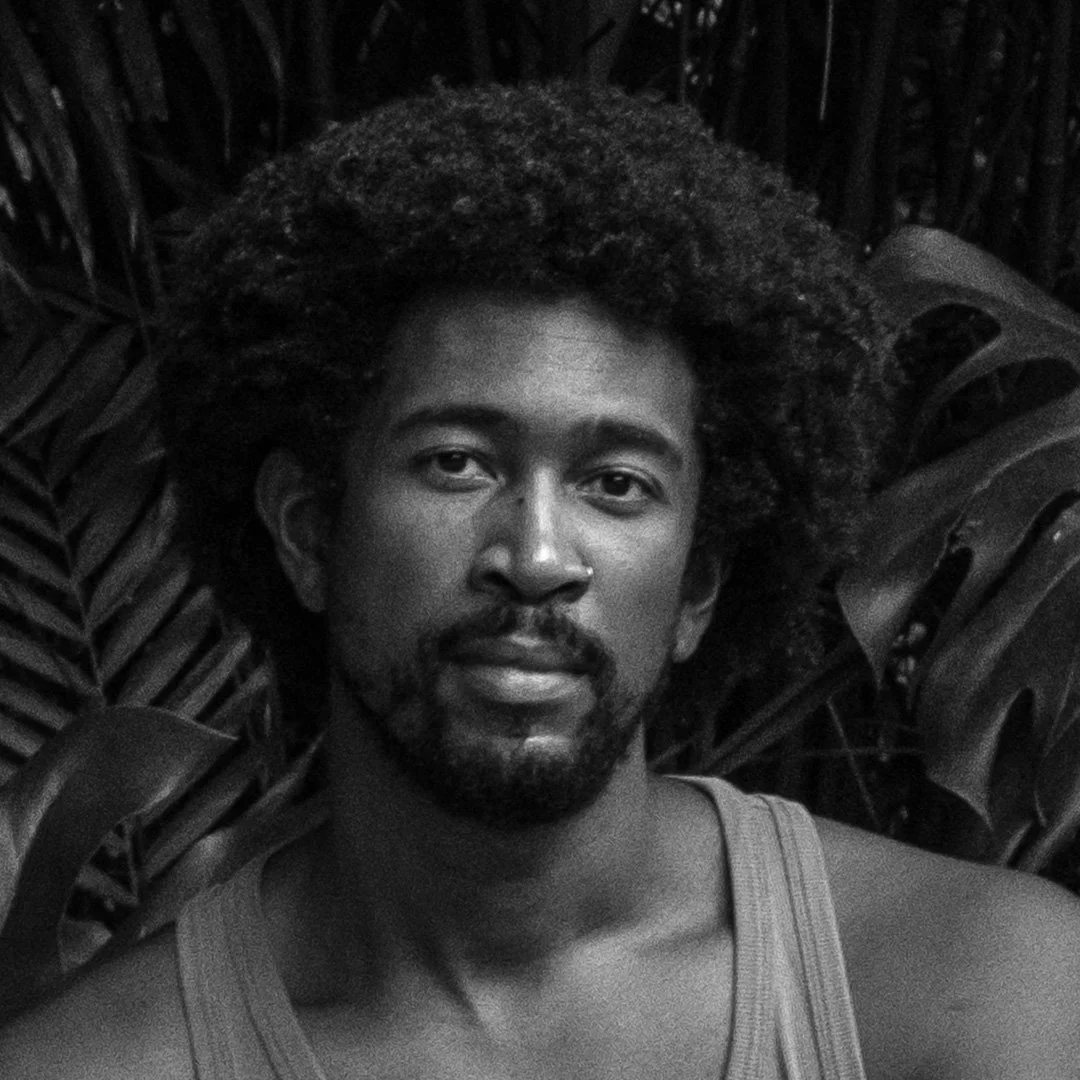
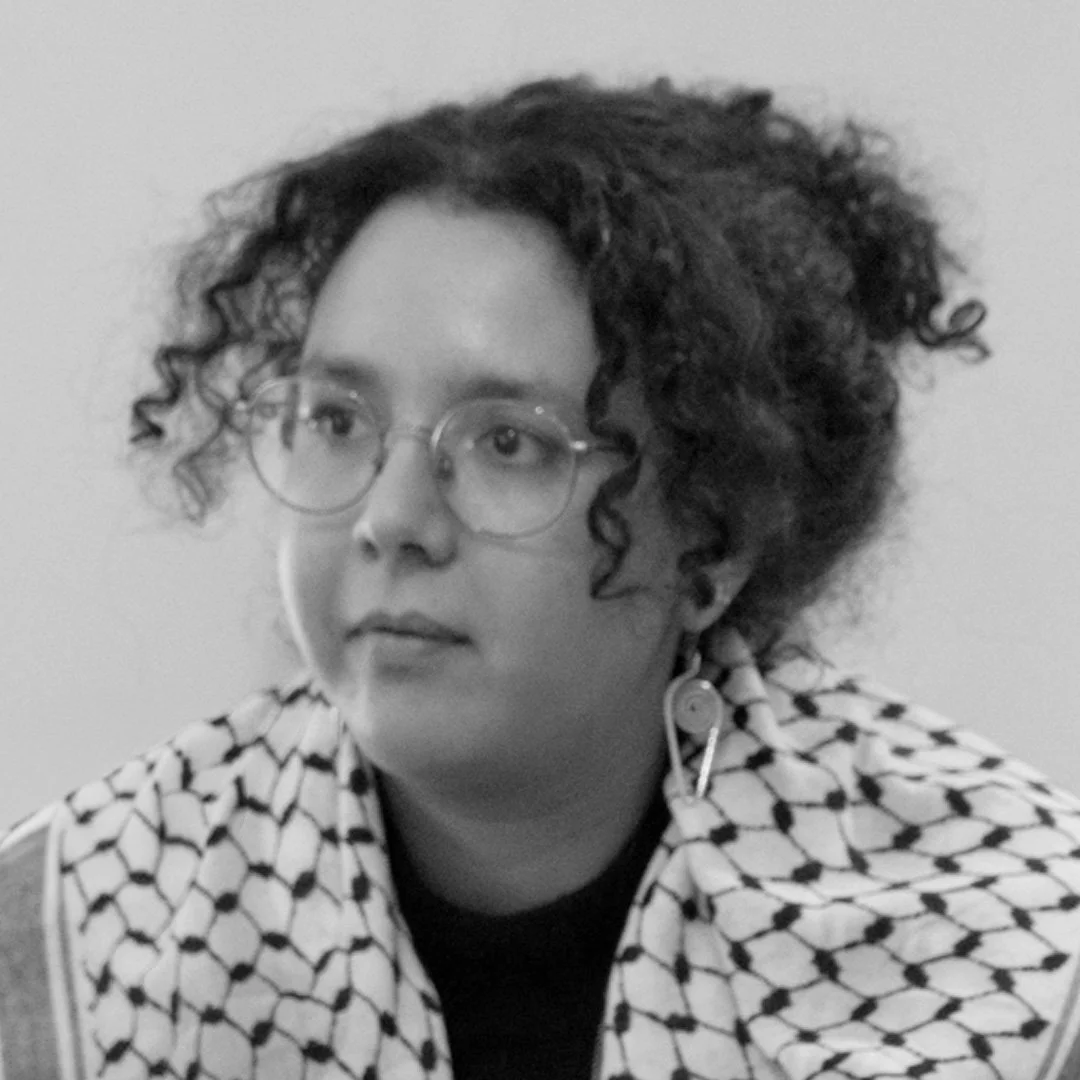
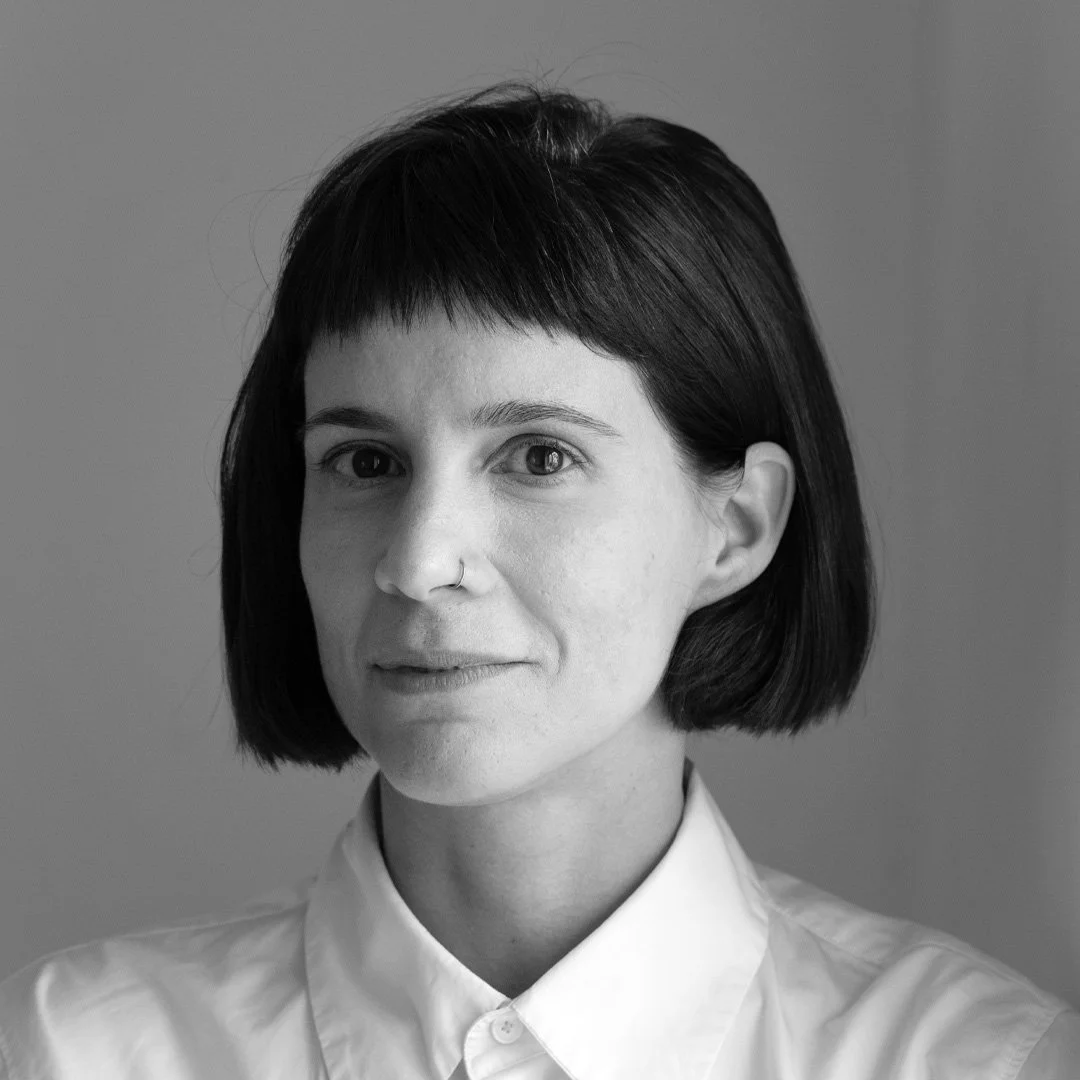
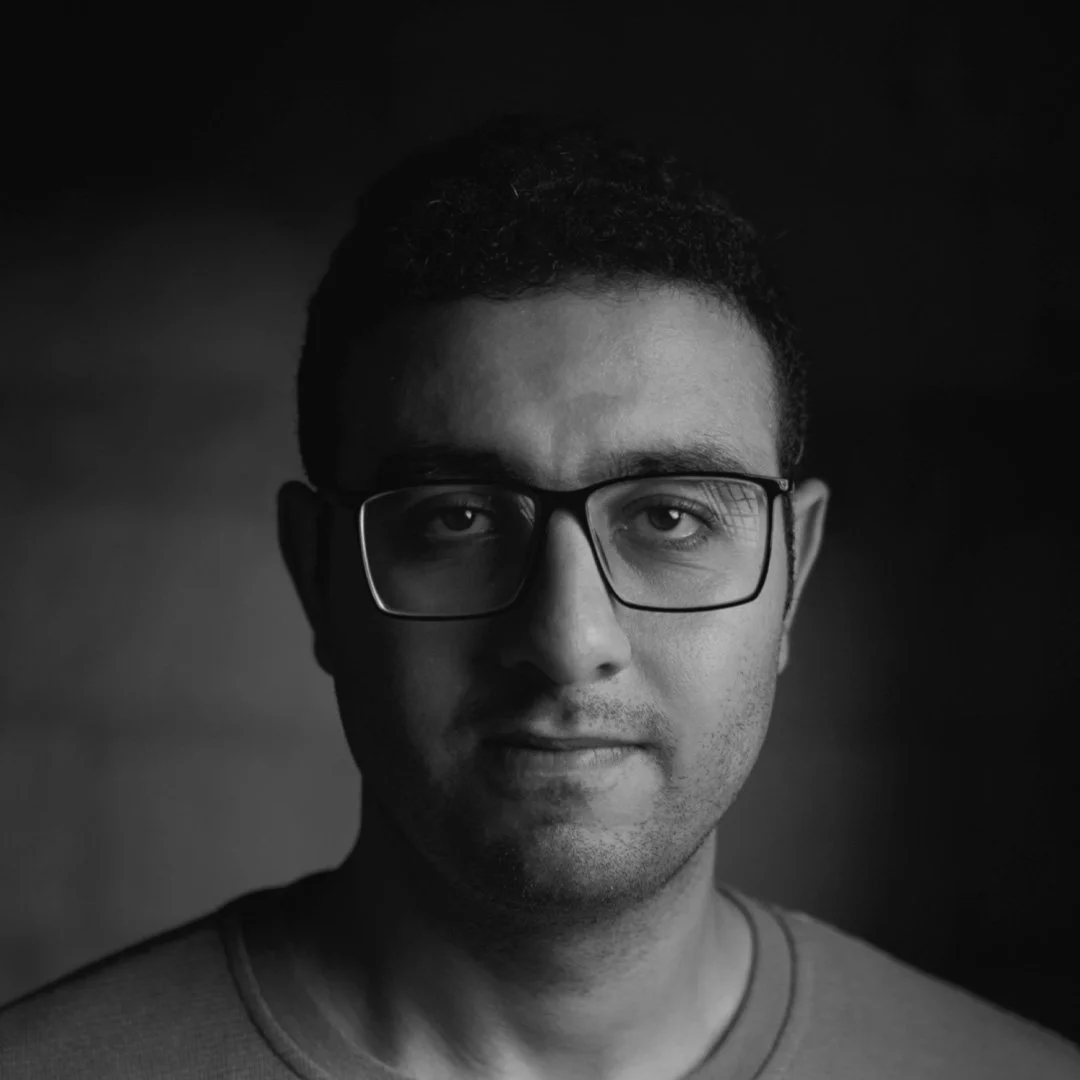
The open call and programming are organized by CPR Founding Director Carmen Ferreyra and CPR Europe Director Susanne Ewerlöf, with Myriam Amroun and Natasha Marie Llorens, alongside key local specialists Nour Amrani (Mouhit Space), Leila Sahli (Le18 Marrakech), and Abdo Shanan (Crossroads). Through these local collaborators, and readings on regional socio-political history, curators will visit artist studios and institutions across the three countries, connecting with peers in an immersive introduction to artistic practice, production, and dissemination in each host location. The open call ran December 8, 2025 – January 20, 2026.
The program covers international flights, local transportation, accommodation, and some meals for all participants, and is realized with generous support from the Swedish Institute, building on ten years of CPR's international collaboration and network-building.
On Collaboration
The basis of our organization is strong partnerships. CPR grows organically through a continuously expanding network of art practitioners, which results in an organization that keeps on developing its international reach.
Building on our ten years of experience and networking, our 2026 program will continue to work towards international collaboration and representation abroad. This project is realized with generous support from the Swedish Institute.
Sharing Knowledge
In this time of crisis and conflict it is more important than ever to make sure everyone is heard; underrepresented groups, people from the periphery, the non-human and perhaps also echoes from the past. With this in mind we will visit cities and countryside; meet established and emerging artists and actors in adjacent fields. We will discuss if we can bear listening more, listening wider, listening within and even listening to those we don't agree with. This will open a network of discussion that carries the potential to engage the visiting curators with all the experiences they have from their respective places of residence where these issues may have other specific meanings.
We hope to access this through the work of the artists we meet and the research we do collectively on site in each locality. Our local hosts, being experts on these matters, will share literature with the curators to provide further context. Discussions will be encouraged during formal and informal sessions throughout the program and the participants will be expected to provide knowledge based on their own experiences and expertise as well.
The morning sessions will consist of lectures with scholars, community members and other people while afternoons will typically include visits to artists and art institutions, ideally with certain topics steering the conversation during one whole day, while others are continuous threads that will reoccur as the program progresses.
Participating curators are not expected to have a previous understanding of the local history of the sites we visit, but they are selected based on their interest in the culture of this region, including problematic aspects of the history of the North Africa countries and the political issues that are affecting people in this geography today.